30-Second Overview
Upgrading to LED lighting is one of the quickest and most cost-effective ways for Irish businesses to cut electricity consumption.
- Businesses can reduce energy costs on lighting by up to 80% with an LED upgrade.
- The payback period is short - typically under two years, or even less than one year in high-use areas.
- LED lighting reduces energy use without compromising brightness, making it a smart, sustainable alternative to older lighting types.
What is Energy Efficient LED Lighting?
Energy-efficient lights reduce the energy consumed by light fixtures without affecting the final lighting level or brightness.
There are several types of energy-efficient lights on the market. The two most common are:
- LED lights: superior in terms of energy efficiency, lifespan, safety, and environmental impact
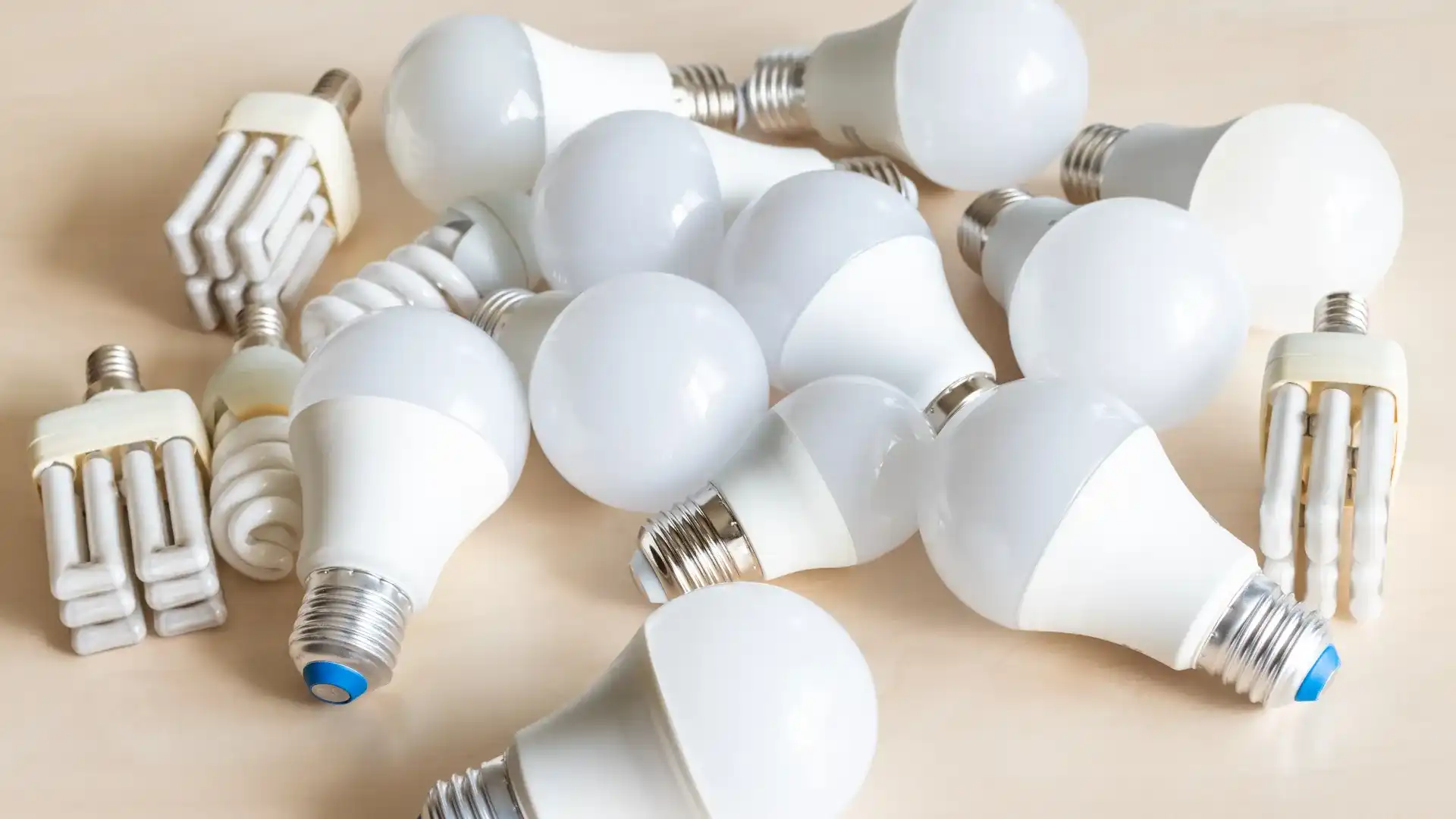
- CFL lights: cheaper upfront but contain mercury, have a shorter lifespan, and aren’t as efficient or versatile
Energy-efficient LED lights are now the preferred choice for both commercial and residential properties. They offer a cost-effective solution to reducing electricity consumption and long-term energy costs.
What are the benefits of LED lighting upgrades?
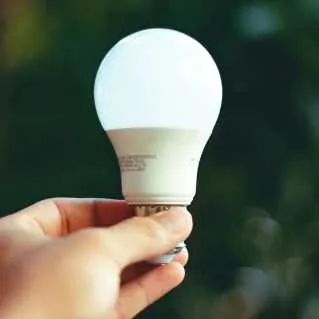
- Lower electricity bills: LEDs use 80% less energy than halogen or incandescent bulbs, cutting electricity costs. They emit little heat, reducing cooling needs and lowering overall energy bills - especially in summer months.
- LED bulbs have a long lifespan: LED bulbs last 25,000–50,000 hours, up to 25x longer than traditional bulbs. This means fewer replacements, less maintenance, and long-term savings for businesses with high lighting usage.
- Better light quality: LEDs offer flexible design, better brightness, and come in colour temperatures like warm and cool white. They’re small, efficient, and fit in tight spaces where traditional lighting can't.
- Environmentally friendly: LEDs contain no toxic materials, unlike fluorescent lights with mercury or PCBs. They're 95% recyclable, helping businesses lower their carbon footprint and support sustainability goals.
Is it expensive to upgrade to LED Lights?
While there is an initial investment, LED retrofitting is often low-hanging fruit in terms of energy efficiency
| Project Type | Cost Level | Payback Period |
|---|---|---|
| Replace a few bulbs | Low | < 12 months |
| Office-wide upgrades | Moderate | 1–2 years |
| Warehouse retrofits | Higher upfront | Often < 2 years |
Example: A €6 LED bulb replacing a €2 incandescent saves enough electricity in one year (at 2 hours per day usage) to cover the cost — and lasts 10x longer.
How Utilityfair can Help Reduce Business Energy bills
The quickest and easiest way to lower business energy bills is to ensure you're on the most competitive commercial electricity and gas plan. Many businesses overpay simply because they haven’t reviewed their contract. We can solve that problem, and it's free. Utilityfair makes the process easy by:
- Comparing all energy suppliers to find the best available rates tailored to your usage.
- Once you have chosen your preferred option, we instruct suppliers to move you to better rates hassle-free, saving you time and money.
- Monitoring your new contract end date to make sure that you never roll into expensive variable rates.
- In a nutshell, we simplify energy contract management, so you can focus on running your business.
👉 Get Started Today!
Fill out our enquiry form, click the link below or call 01 547 0999 to speak with a Utilityfair energy expert and start saving.






Frequently Asked Questions (FAQs)
Energy-efficient LED lighting uses Light Emitting Diodes to produce illumination, consuming significantly less energy than traditional incandescent or halogen bulbs. LEDs provide the same brightness levels while using up to 80% less electricity, making them an effective solution for reducing energy consumption in commercial settings.
Businesses can reduce lighting-related energy costs by up to 80% by upgrading to LED lighting. The payback period for this investment is typically under two years, and even less for facilities where lights are used extensively, such as factories, retail stores, or schools.
LED lighting offers multiple advantages, including lower electricity bills, improved light quality, and environmental friendliness. LED bulbs have a longer lifespan, reducing maintenance costs, and they emit less heat, which can also lower cooling expenses in your facility.