30-second overview
Businesses can manage energy costs and be more environmentally sustainable by generating renewable energy on-site. If the capital outlay and payback period make sense for your business, then on-site energy generation through solar panels, wind turbines, or biomass systems may be an option.
Investing in on-site renewable energy generation is a serious business decision. The capital outlay is high, and the payback period is five years or longer. However, there are several benefits, and even if the capital outlay does not stack up for your business, you can still source 100% renewable electricity from the grid.
- The main benefits of on-site renewable energy generation include: cost savings over the medium term, environmental sustainability, security of supply and positive brand recognition.
- The main sources of on-site renewable energy generation include: solar panels, wind power, biomass systems and hydro power. Solar panels and biomass systems are more common in Ireland.
- Environmental benefits include: reduced carbon footprint, better air quality, biodiversity protection and combating climate change.
- 100% renewable electricity can still be sourced from suppliers if on-site renewable energy generation is not an option for your business.
What is Microgeneration for Businesses?
Microgeneration is the small-scale production of renewable electricity on your own premises, for your own use, with the option to export any excess back to the national grid.
Common technologies include:
-
Solar photovoltaic (PV) panels - Most popular for commercial rooftops.
-
Micro wind turbines - Suitable for rural, wind-rich locations.
-
Biomass and CHP systems - Generate electricity and heat simultaneously.
In Ireland, microgeneration is regulated by the Commission for Regulation of Utilities (CRU) and supported by Government schemes.
Considerations Before Installing a Microgeneration System
- Upfront Investment: While grants can help, you’ll need to fund the initial cost of purchase and installation.
- Site Suitability: Depending on the system you are trying to implement, you have to make sure your site is suitable for such system (for example, if you plan to install solar panels, you should guarantee your roof has the correct size and orientation; or that if you want to use microturbines, that your site has sufficient wind conditions for this system to be beneficial).
- Maintenance & Monitoring: Regular maintenance is required to maximise efficiency and lifespan.
- Payback Period: Typical return on investment is 4–10 years, depending on energy usage, export rates, and installation costs.
How Can Businesses Generate Their Own Electricity?
There are a few different ways that businesses can generate their own electricity and become less reliant on the electricity grid. These include solar panels, wind turbines, biomass boilers, and hydropower:
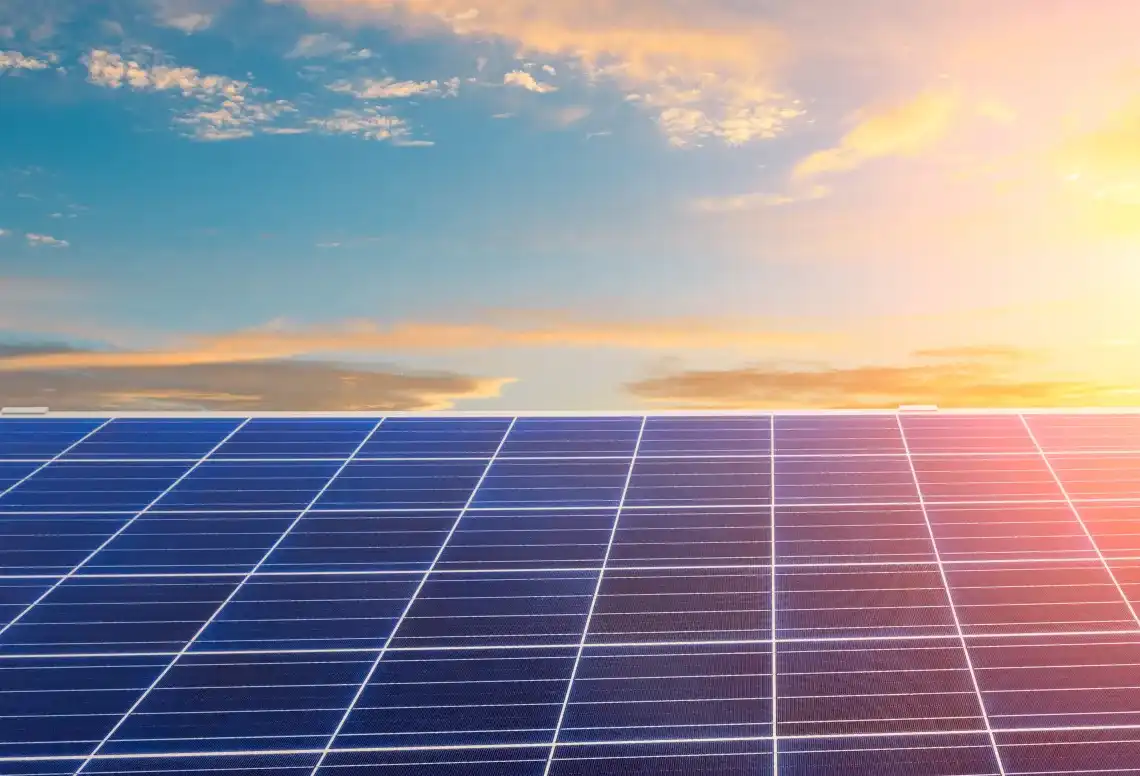
- Solar panels or photovoltaic generation are one of the most common forms of on-site renewable energy generation. They are easy to install and can be fitted onto building roofs or can be ground-mounted. Solar panels capture the sun’s energy and convert this into electricity. Luckily for businesses in Ireland, it does not need to be sunny for solar panels to generate electricity. Solar panels just need daylight to generate electricity and even work on cloudy days - though they do generate more electricity with direct sunlight. The payback period for solar panels is approximately seven years.
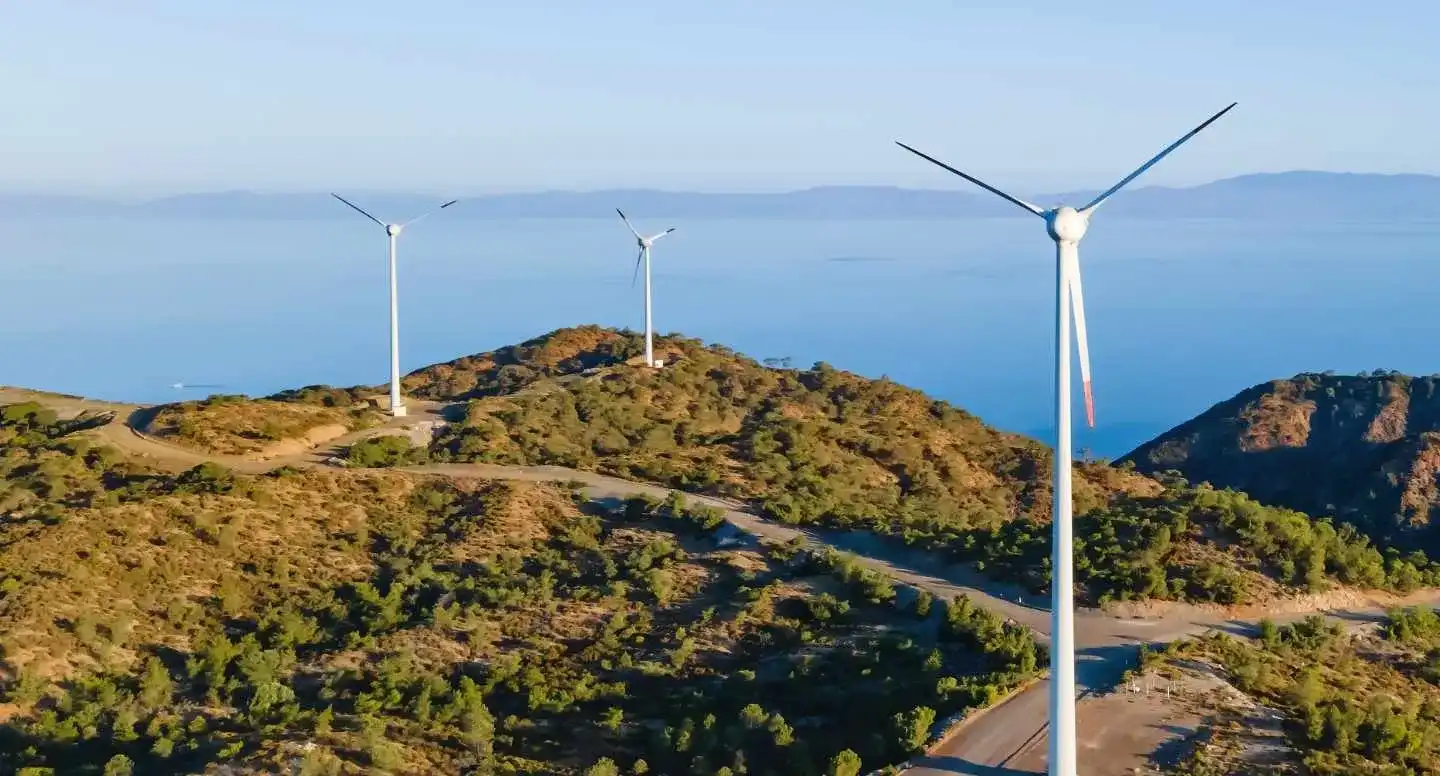
- Wind turbines generate electricity from wind moving large blades, which are connected to a generator. We are all familiar with nostalgic images of windmills in the Netherlands or Greece, where wind energy powers a sail, which in turn is connected to a mill to grind flour. The modern-day version is now also very common in the form of onshore and offshore wind farms, where wind energy moves large turbine blades. It is possible to install wind turbines on-site to generate electricity. This form of electricity generation is not suitable for businesses in built-up locations due to planning restrictions. Wind power is a viable option for businesses in less urban or isolated locations that use a lot of electricity. It can also be an interesting option for businesses that operate through the night, as the wind can blow at any time, reducing demand on the electricity grid during the day and night. The payback period for wind turbines can be ten years or more – it is site-dependent and also dependent on wind patterns at the location (i.e. if the location is sheltered or exposed).
- Biomass boilers are a popular form of renewable heat generation through burning wood or plant-based materials in boilers, also called biomass systems. These systems burn wood pellets, logs or chips to power central heating systems and generate hot water. If the biomass material that is burned is sourced locally and grown specifically for the purpose of being environmentally friendly, then this can be a responsible form of on-site generation. If, for example, the biomass matter is exported from another continent on diesel boats, it is less environmentally friendly. The payback period for biomass generation is approximately five years, but can vary depending on whether the biomass material is sourced onsite or purchased externally.
- Hydropower or Hydroelectricity is one of the oldest forms of energy generation (similar to windmills). It dates back to when four mills were located close to fast-moving water, which was used to turn a water wheel and rotate a grinding stone. Modern-day hydropower systems use fast-moving water to rotate a turbine and generate electricity. Hydropower requires very fast-moving water to operate efficiently and is commonplace in Scandinavia. Ireland does not have sufficient fast-moving water occurring naturally, and as a result, it relies on systems with dams or pump-storage facilities where hydroelectricity is used.
Benefits for Businesses of On-Site Renewable Electricity Generation
Businesses that would like to generate their own electricity need to consider the capital outlay and financing costs before embarking on the journey. This is why the market norm is to consider the payback period for onsite renewable electricity generation.
The main benefits that businesses gain by generating their electricity are as follows:
- Cost savings: Generating your electricity can lead to cost savings over time. Business can reduce their dependence on the electricity grid and wholesale energy prices. This can bring an element of price stability and also result in cost savings over time (after the payback period).
- Environmental sustainability: Businesses that generate their own electricity through renewable sources make a positive contribution to the environment by reducing their carbon output.
- Security of energy supply: On-site electricity generation acts as a backup during electricity grid outages, ensuring that businesses can keep operating. This can be supplemented with battery storage solutions. Energy security is essential for hospitals or data centres where a grid outage can have extreme consequences.
- Protecting against energy price volatility: Wholesale energy prices can be volatile, and businesses have seen a large increase in costs over the past year. Businesses that generate their own electricity reduce the impact on their operating costs. For example, if onsite generation accounts for 30% of overall annual usage, then the impact of wholesale energy price volatility is reduced by the same amount.
- Public branding and image: Responsible businesses are increasingly focused on environmental sustainability and reducing their carbon footprint. Customers and stakeholders view environmentally conscious businesses favourably, increasing brand loyalty and a business's value. However, be careful that you are not accused of greenwashing, which can have the opposite effect.
What are the environmental benefits of on-site renewable electricity generation?
On-site or off-grid electricity generation from renewable sources has the following benefits:
- Reduced carbon footprint: Businesses can significantly reduce their carbon footprint (CO2 emissions) by increasing their reliance on renewable electricity generation. In essence, their business is more responsible for the environment better than that of their competitors.
- Better air quality: On-site electricity that is generated from renewable sources does not release pollutants that negatively impact air quality (i.e. sulphur dioxide, nitrogen oxides). This results in cleaner air and better public health.
- Conservation of natural resources: Electricity generated on-site generally relies on renewable resources like sunlight, wind, and water, which are naturally replenished over time. This helps conserve natural resources for future generations by reducing the demand for fossil fuels.
- Protecting biodiversity and nature: Extracting fossil fuels can harm ecosystems and biodiversity, with some methods of extraction, such as fracking, being more environmentally unfriendly than others. On-site renewable electricity generation has a lower impact on habitats and ecosystems, which in turn protects biodiversity.
- Climate change adaptation: Businesses can contribute to the global plan to combat the negative effects of climate change via off-grid renewable electricity generation. The negative effects of climate change include: heatwaves, storms, rising sea levels and water shortages. Responsible businesses.
How Utilityfair Can Help Your Business Reduce Energy Costs
Not all businesses are able to generate their own electricity from renewable sources on-site. You can still purchase 100% renewable electricity from the grid and make a positive contribution to environmental sustainability. Speak with our team of helpful energy experts to compare renewable electricity tariffs and reduce your carbon footprint. We take the hassle out of energy contract management, giving you more time to focus on keeping your business successful.
👉 Ready to Make the Switch?
To get started, fill in our enquiry form or give us a call on 01 547 0999.



Frequently Asked Questions (FAQs)
Microgeneration refers to the small-scale production of electricity by a business on-site using renewable energy sources. Benefits of microgeneration can include cost savings over time, enhanced energy security, and reduced carbon footprint.
By generating their energy on-site, businesses have a backup during electricity grid outages, allowing them to keep operating.
Yes, generating your own electricity can protect your business from fluctuations in wholesale energy prices. For example, if your generation covers 30% of your annual usage, your exposure to the market volatility is reduced by the same proportion.
If on-site microgeneration is not a viable option for your business, you can still opt for a 100% renewable electricity supplier. Our energy experts can provide you with tailored options, guaranteeing you are securing the best deal for your business energy needs. Get started by filling out the form on our website or by calling us at 01 547 0999.
For urban or suburban premises with good roof space, yes. Wind or CHP may suit rural or heat-intensive operations.
Unlikely. Most businesses use it to offset a portion of demand, reducing but not eliminating grid reliance.