
30-Second Overview
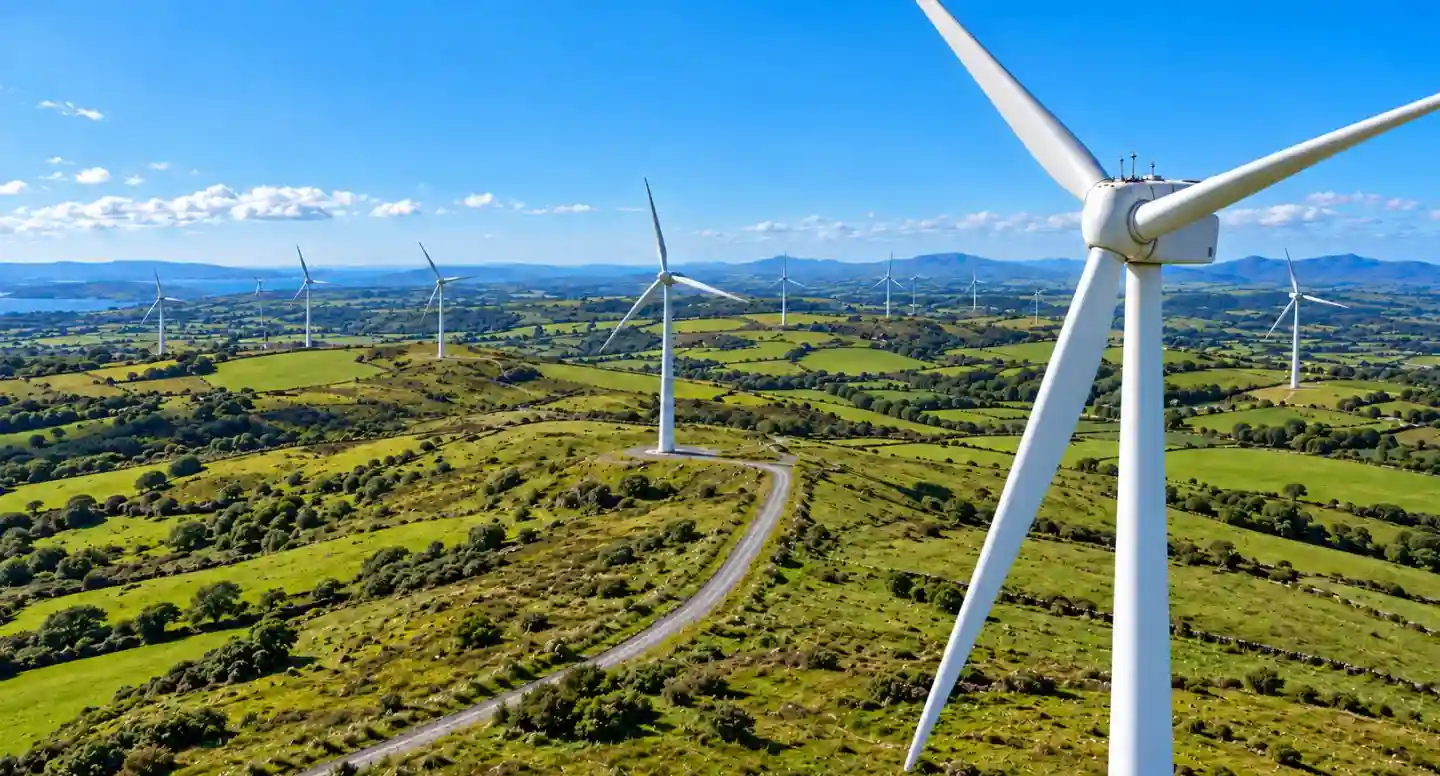
A Corporate Power Purchase Agreement (CPPA) allows businesses to buy electricity from a renewable generator, such as a wind or solar farm. It can cover part or all of a business's electricity requirements.
Through a CPPA, businesses agree to a fixed price for electricity purchased under the agreement and can meet renewable electricity and sustainability objectives. Agreements can run for one or two years, just like standard fixed-price contracts, or extend for 10 years or more for businesses seeking longer-term price certainty.
Before entering a CPPA, businesses should consider the contract duration, pricing structure, electricity volumes and associated risks. Utilityfair works alongside your team, comparing renewable procurement options, assessing the financial implications and challenging supplier offers to help you make an informed decision.
⚡ Considering a Corporate Power Purchase Agreement? Utilityfair helps large energy users compare CPPAs against conventional electricity contracts, assess costs and risks, and secure renewable electricity from Irish generators. Choose an option below to discuss your requirements with our specialist team. 👇
Compare CPPA & Electricity Contract Options
Understand the financial implications before committing to a CPPA. We compare estimated annual costs, contract durations and risks against fixed-price and wholesale tracker alternatives, giving you a clear, like-for-like comparison.
Discuss Your Requirements →
Source Renewable Electricity from Irish Generators
Explore CPPAs linked to Irish wind and solar farms, with Guarantees of Origin providing traceable renewable electricity certification. Our team will assess available options against your electricity consumption and sustainability requirements.
Request a Callback →
How Does a Renewable Electricity CPPA Work?
Most CPPAs are arranged through an energy supplier. The supplier agrees to purchase electricity from a renewable generator, such as a wind or solar farm, and makes that electricity available to business customers under an agreed contract.
Depending on the volume available, the supplier can offer the electricity to a single large energy user or divide it between several businesses through a multi-buyer arrangement.
The business agrees a price, contract duration and electricity volume with the supplier. This provides price certainty for the electricity purchased under the CPPA, while giving the renewable generator a committed buyer and a predictable source of income.
Importantly, the agreement identifies the renewable generator in Ireland supplying the contracted electricity. The associated Guarantees of Origin provide certification that allows the business to trace its renewable electricity purchase to that specific generator, rather than relying on renewable certificates purchased from generators outside Ireland.
What Happens When The Wind or Solar Farm Isn't Generating Enough Electricity?
Your electricity supply continues as normal. When the generator produces less electricity than your business needs, the supplier purchases additional electricity from the market. When generation exceeds your demand, surplus electricity may be sold back to the market.
These additional purchases and sales are priced at prevailing wholesale market prices. They will affect your overall electricity bill, even when the CPPA price is fixed.
CPPAs vs Standard Renewable Electricity Contracts
A standard renewable electricity contract can be certified using Guarantees of Origin (GOs) purchased from renewable generators in Ireland or elsewhere in Europe. These certificates are valid for renewable electricity certification and can support a business's sustainability reporting.
However, a standard renewable tariff does not necessarily mean the supplier has purchased electricity from a renewable generator in Ireland. The renewable certification may instead be supported by certificates purchased separately from generators outside Ireland.
A CPPA provides a direct contractual link to a specified renewable generator in Ireland. The agreement identifies the generator supplying the contracted electricity, while the associated Guarantees of Origin provide evidence of its renewable origin.
What Are Guarantees of Origin?
Guarantees of Origin (GOs) are certificates used to verify that electricity has been generated from renewable sources. As part of the agreed certification arrangements, your supplier provides a SEMO cancellation statement confirming that the Guarantees of Origin have been cancelled for your business.
The statement identifies the renewable generator, its location, the electricity source, the volume generated and the relevant production period. It also names your business as the beneficiary and confirms that the certificates have been cancelled and cannot be traded or claimed by another customer.
What Are the Benefits of a CPPA?
A CPPA gives businesses greater control over their electricity purchasing while providing a direct link to renewable generation. The main benefits include:
- Greater Price Certainty: A fixed price is agreed for the electricity purchased under the CPPA, reducing exposure to wholesale price increases on that volume and making energy budgeting more predictable.
- Traceable Renewable Electricity: Renewable electricity is purchased from a specified renewable generator in Ireland, with a clear audit trail provided by Guarantees of Origin and a cancellation statement identifying your business as the beneficiary. This provides documentary evidence for ESG reporting and head-office requirements.
- Flexible Contract Options: Choose a contract duration and electricity volume that suit your business. A CPPA can cover part or all of your electricity requirements.
What Should Businesses Consider Before Entering a CPPA?
Before entering a CPPA, businesses should compare the total estimated cost against standard fixed-price contracts and wholesale tracker options. A fixed CPPA price does not guarantee a lower overall electricity bill. Additional electricity purchased from the market and surplus generation sold back to the market can significantly affect the final cost.
Contract duration and electricity volume are equally important. CPPAs are generally more suitable for businesses with substantial electricity consumption, particularly where the generator's output aligns closely with their demand. Businesses should assess how much of their consumption the CPPA will cover. Shorter agreements of one or two years should be considered alongside longer-term options.
Network charges and other regulated charges will continue to apply and may change during the contract. These costs should be included when comparing the CPPA against alternative electricity contracts.
Finally, the renewable certification must meet the business's reporting requirements. Confirm which Guarantees of Origin will be allocated to your business, how they will be cancelled and what documentation the supplier will provide for ESG reporting.
How Utilityfair Helps You Secure the Right CPPA?
A CPPA needs to be assessed on more than its headline electricity price. Utilityfair works alongside you and your team to compare supplier proposals, understand the financial implications and negotiate an agreement that meets your electricity purchasing and sustainability requirements.
- We review your electricity consumption and analyse how closely the renewable generator's output matches your demand.
- We then prepare a detailed financial analysis and side-by-side comparison of the CPPA against standard fixed-price contracts and wholesale tracker options. This includes the expected annual cost, contract duration, electricity volumes, network charges and associated risks, allowing you to see how each option compares before making a decision.
- We also review the renewable certification arrangements, including the Guarantees of Origin and cancellation statements required to provide a clear audit trail for ESG and head-office reporting.
- Once you've selected your preferred option, we coordinate the contract with the supplier and provide ongoing support with billing queries, changes in electricity requirements and any additional locations or meters.
The objective is straightforward: to give your business the analysis, clear comparisons and independent advice needed to make an informed decision before committing to a contract.
⚡ Ready to explore electricity CPPA options? Speak with our Large Energy User team. 👇





Frequently Asked Questions (FAQs)
A CPPA is an agreement that allows a business to purchase electricity from a specified renewable generator, such as a wind or solar farm. It can cover part or all of the business's electricity requirements.
CPPAs are generally more suitable for businesses with substantial electricity consumption. Suitability depends on your consumption profile, how closely the generator's output matches your demand, contract duration and sustainability requirements.
Utilityfair can assess your electricity requirements and compare a CPPA against other procurement options to help you decide.
CPPAs can run for one or two years, similar to standard fixed-price electricity contracts, or extend for 10 years or more. The available duration depends on the supplier, generator and proposed arrangement.
A CPPA allows businesses to agree a fixed price for electricity purchased from a specified renewable generator in Ireland. It also provides a clear audit trail through Guarantees of Origin and cancellation statements, certifying renewable electricity from an Irish generator rather than relying on certificates purchased from generators outside Ireland.
A CPPA is not necessarily cheaper than a standard electricity contract. Utilityfair provides side-by-side financial comparisons so you can assess the expected costs alongside the renewable certification benefits before making a decision.
No. Your electricity supply continues as normal. The supplier arranges additional electricity from the market when the generator's output is insufficient to meet your demand.
The cost of this additional electricity depends on the pricing arrangements in your contract.
Network charges, standing charges, applicable taxes and other supplier or regulatory charges may still apply. These costs should be included when comparing the total annual cost of a CPPA against other electricity contracts.
Yes. A CPPA can link your electricity purchase to a named renewable generator in Ireland. The associated Guarantees of Origin and SEMO cancellation statement provide a clear audit trail identifying the generator, certified electricity volume and your business as the beneficiary.
The documentation can support renewable electricity claims and ESG reporting, subject to your applicable reporting requirements.
We typically need recent electricity bills, consumption data, current contract rates and expiry dates, and details of your sites and meters.
We'll also discuss your preferred contract start date, duration, electricity volume, pricing requirements and any expected changes in consumption.