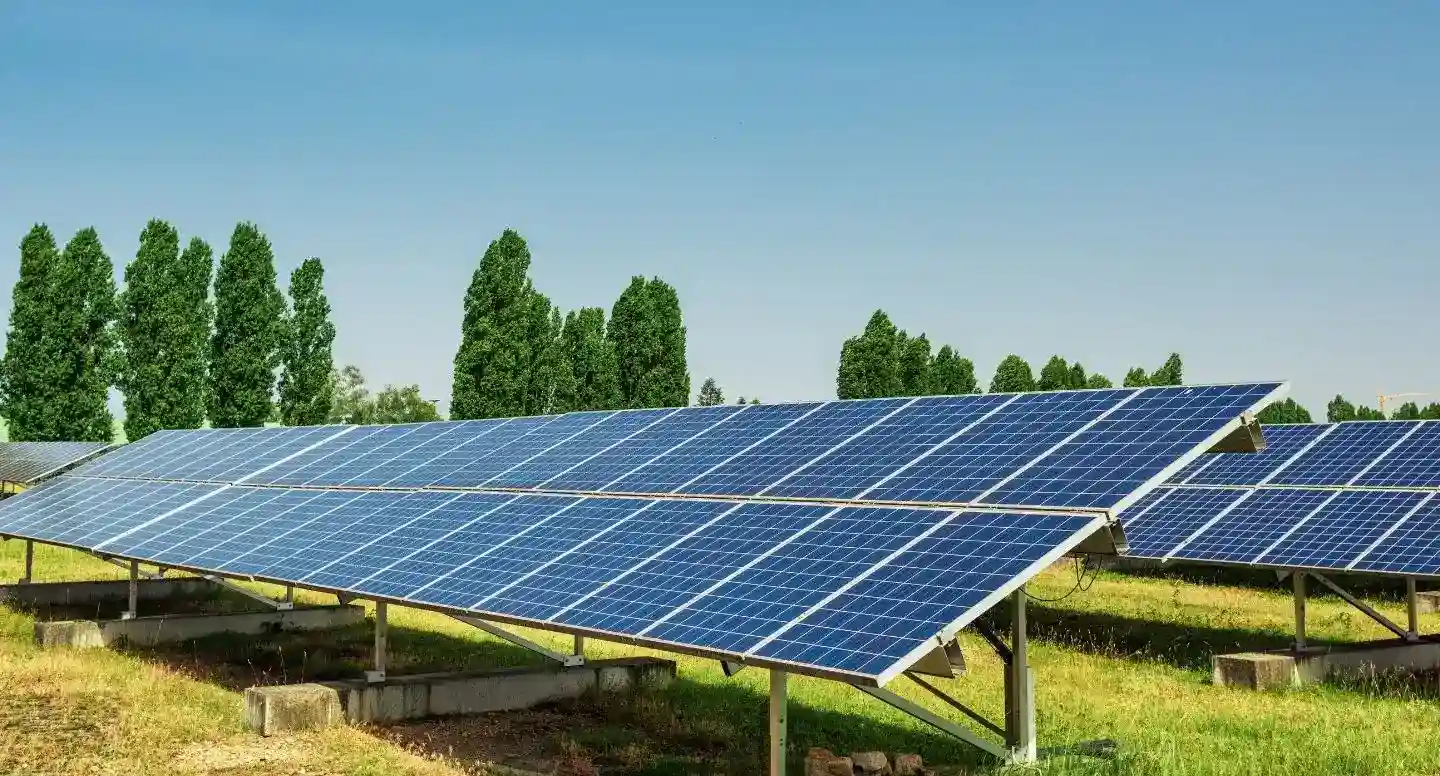
30-Second Overview
Solar energy export allows Irish businesses to sell excess electricity generated by their solar PV panels back to the national grid. For businesses, this means:
- Lower business energy costs;
- A new revenue stream;
- And stronger sustainability credentials.
What Is Solar Energy Export?
Solar energy export is the process of sending unused electricity generated by your solar panel system back to the grid. Instead of wasting surplus energy during periods of low on-site demand, businesses can monetise it through supplier payments.
In Ireland, this is facilitated through the Clean Export Guarantee (CEG), which ensures that suppliers pay customers for every kilowatt-hour (kWh) exported. This makes solar PV not just a tool for energy savings, but also a revenue-generating asset.
Solar Energy Export Rates by Supplier (Jan 2026)
| Electricity Supplier | Rate per kWh (exc VAT) | Payment Method |
|---|---|---|
| Bord Gáis | 18.5 c/kWh | Quarterly Credit |
| Electric Ireland | 19.5 c/kWh | Credit as per Billing Cycle |
| Energia | 18.5 c/kWh | Credit as per Billing Cycle |
| Flogas | 18.5 c/kWh | Credit as per Billing Cycle |
| SSE Airtricity | 19.5 c/kWh | Quarterly Credit |
| Yuno Energy | 15.89 c/kWh | Twice Yearly Credit |
| Go Power | 14 c/kWh | Quarterly Credit |
| Pinergy | 13 - 19 c/kWh | Credit as per Billing Cycle |
💡Important Note: These rates are not fixed (suppliers can change them at any time), and are only applicable to small solar PV installations.
If you have a large PV panel installation, your business will be paid according to the wholesale electricity prices. You can find the latest Wholesale Electricity Prices on our website.
If I Install PV Panels, do I Still Need to Pay for Electricity?
Yes - If you install a solar PV system for your business, you will still need to get your business energy from a supplier.
The best way to find the cheapest business electricity rates is to compare all major Irish suppliers to find the best deal for your business - but that can be extremely time-consuming.
Upload a recent bill for analysis by clicking the buttons below 👇, and get a free price comparison in minutes!

Why Solar Energy Export Matters for Businesses
Solar export is more than just a technical process - it’s a strategic advantage for Irish businesses. In short, solar energy export can deliver both financial returns and competitive advantage.
- Cost reduction: By producing your own renewable power, you cut reliance on grid electricity and reduce monthly bills.
- Additional income: Excess generation is sold back to the grid, creating a new income stream under the Clean Export Guarantee (CEG).
- Sustainability and ESG compliance: Lowering your carbon footprint strengthens ESG reporting, enhances green credentials, and supports Ireland’s climate targets.
- Energy independence: Generating and exporting renewable energy helps hedge against volatile wholesale energy prices, giving your business more control over energy strategy.
Pro-tip: Make sure that your solar panel system is sized correctly - if you are generating too much energy, you will become reliant on solar export rates, which may fall over time.
Can You Export Solar Energy in Ireland?
Yes. Any business with an approved solar PV installation and an export-capable meter can export electricity to the grid. Once registered with your supplier, payments for exported electricity are made automatically under the CEG.
This means that even when your operations are closed or energy use is lower than generation, your business continues to benefit financially. However, it is important not to oversize solar installations as the export rate may fall over time, and large installations are paid based on wholesale electricity prices, which are lower at off-peak hours and weekends.
What is the Micro-generation Support Scheme (MSS)?
The Micro-generation Support Scheme (MSS) is a government initiative that allows businesses, farms, homes, and community organisations to export renewable electricity back to the grid.
- When your panels generate more electricity than you use, the surplus is automatically exported.
- You earn payments from your energy supplier under the Clean Export Guarantee (CEG).
- Rates vary by supplier, which makes comparing providers essential.
For Irish businesses, the MSS provides a clear path to lower energy costs, added income, and measurable sustainability impact.
You can read more about how your business can benefit from microgeneration in our "Microgeneration for Business article.
How can Utilityfair Help You Save on Business Electricity Costs?
Utilityfair supports Irish businesses by getting the best business electricity deals to fit their needs. You can quickly compare rates from all suppliers in one place, completely free, by uploading a recent electricity bill. No more wasting time phoning each supplier individually or waiting on hold.
- Compare prices from all Irish suppliers to make sure you have the best deal for your business year after year.
- Find the best business electricity supplier if you are looking to move your business to 100% renewable business energy.
👉 Ready to Start Saving?
Fill out our enquiry form, click the link below or call 01 547 0999 to speak with a Utilityfair energy expert to start saving.




Frequently Asked Questions (FAQs)
Solar energy export allows businesses to sell surplus electricity generated by their solar PV panels back to the national grid, creating additional revenue.
Payments are made through your electricity supplier as a credit on electricity bills. Export rates are credited to your account based on the kWh exported.
The CEG is the payment made by your electricity supplier for surplus solar electricity exported to the grid.
Rates vary by supplier, typically between 13–20 c/kWh for small PV installations. Large installations may receive payments based on wholesale electricity prices.
Yes. Even with solar PV, businesses must purchase electricity from suppliers. Solar reduces grid reliance but doesn’t fully replace consumption.
The MSS is a government initiative that allows businesses, farms, and homes to export renewable electricity to the grid and earn payments.
It lowers energy costs, generates additional income, supports sustainability goals, and enhances ESG credentials for businesses.
Utilityfair compares all Irish electricity suppliers, finds the best business deals, and ensures businesses maximise returns from solar export and renewable energy initiatives.
Yes. Exporting renewable energy helps reduce carbon footprint, supports climate targets, and strengthens ESG reporting.
By correctly sizing solar installations, monitoring consumption patterns, using an export-capable meter, and selecting the most favourable supplier.