30-Second Overview
Smart electricity meters provide real-time data on energy use, enable time-of-use tariffs, and make switching suppliers easier. For businesses, smart meters mean:
- Better control over energy costs;
- Improved efficiency;
- And easier access to time-of-use tariffs.
However, smart meter do have peak rates and can be more expensve if you have high usage during peak ours or if you need a long night usage window.
⚡To make sure that your business is on the best electricity rate, upload a recent electricity bill using the link below. You'll receive a free, detailed price comparison showing you the best rates across all suppliers side-by-side, in minutes 👇

What is an Electricity Smart Meter?
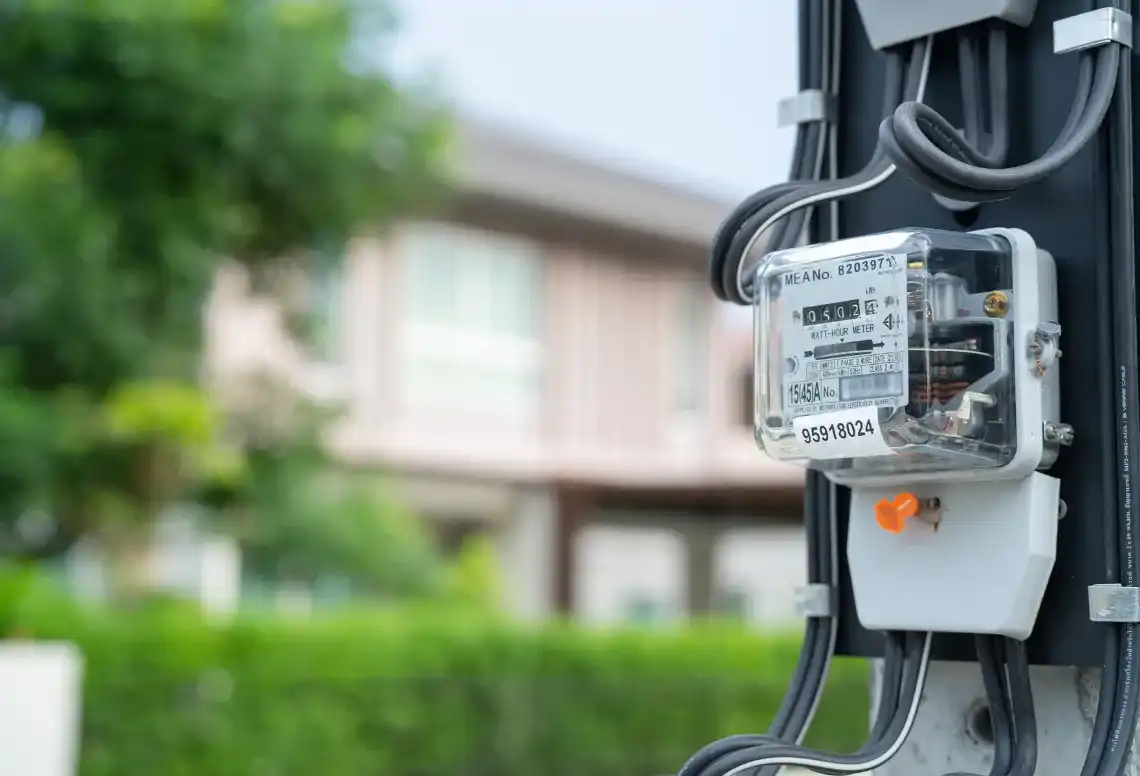
A smart electricity meter is a digital meter that records and automatically transmits your energy usage directly to your ESB so that your supplier can see it. Unlike traditional meters, there is no need for manual meter readings to be taken. For businesses, this brings:
- Accurate billing: No more estimated bills. Your charges are based on actual consumption.
- Energy insights: Smart meters show when and how much energy your business is using, helping you identify savings.
- Access to smart tariffs: These include time-of-use plans, where there are lower off-peak rates but also higher peak rates.
- Remote support: Suppliers can resolve issues faster without requiring on-site visits.
Electricity Smart Meter Benefits and Drawbacks
| Aspect | Benefits | Downsides |
|---|---|---|
| Billing Accuracy | No more estimated bills. Meter readings are transmitted automatically to the supplier via ESB Networks. | Rare technical issues or connectivity failures may cause temporary delays in billing. |
| Energy Insights & Efficiency | Visibility on energy usage. Supports efficiency improvements and carbon reduction. | Requires proactive energy management, as data alone won't save you money. |
| Tariff Control | Access to smart and time-of-use tariffs (potential for savings during off-peak hours). | Smart tariffs can be complex, and peak rates may be more expensive. |
| Renewables & Microgeneration | Supports solar export payments under MSS via accurate export measurement. | Without a smart meter, exporters rely on deemed export estimates, reducing accuracy. |
| Privacy & Data Concerns | Data is encrypted and held securely by ESB Networks. | Detailed half-hourly data raises concerns over privacy and potential surveillance. |
What is Time-of-Use Pricing & Why Does it Matter for Your Business?
One of the most important features of smart electricity meters is time-of-use (TOU) pricing. Unlike traditional flat-rate tariffs, TOU tariffs charge different rates for electricity depending on when it’s used:
- Peak hours (typically daytime and early evening): higher prices due to high demand on the grid.
- Off-peak hours (overnight or weekends): lower prices when demand is lower and renewable generation is often higher.
For Irish businesses, this creates both opportunities and risks. By shifting high-energy tasks (such as refrigeration cycles) to off-peak hours, businesses can reduce costs significantly. However, while smart meters can lead to savings, peak-time electricity prices are higher. Businesses that use most of their energy during busy peak rates periods may end up paying more.
💡 For example, restaurants or retail shops that rely heavily on evening electricity demand must manage their consumption carefully to avoid an increase in operating costs instead of reducing them.
Can You Refuse a Smart Electricity Meter in Ireland?
Yes, electricity smart meter installation is NOT mandatory. ESB Networks is rolling out electricity smart meters across Ireland, but you can decline one if you wish. However, for businesses aiming to optimise costs and improve sustainability, adopting smart meters usually makes strategic sense.
- New or replacement meters are now smart meters by default.
- Refusing may limit access to certain smart tariffs or future services.
Why is Ireland Rolling out Smart Meters across the Country?
Ireland’s transition to renewable energy relies on smarter consumption. Smart meters play a key role by:
- Enabling demand response during high grid pressure.
- Supporting the integration of renewable electricity.
- Allowing businesses to take advantage of dynamic pricing tariffs as they emerge.
How Utilityfair Helps Reduce Business Energy Costs
Utilityfair helps businesses save money on energy bills. You can quickly compare rates from all suppliers in one place, completely free, by sending us a recent electricity bill. No more wasting time phoning each supplier individually or waiting on hold. We will:
- Analyse your meter type and usage profile.
- Compare fixed, flexible, and tracker tariffs.
- Identify any hidden charges and unbundled costs.
- Monitor your contract expiry so you're never auto-rolled to expensive rates.
👉 Ready to Start Saving?
Fill out our enquiry form, click the link below or call 01 547 0999 to speak with a Utilityfair energy expert and start saving.


Frequently Asked Questions (FAQs)
A smart meter is a digital electricity meter that records and automatically sends your energy usage to ESB, eliminating the need for manual readings.
Not automatically. Savings come from using the insights to reduce waste and shift usage to cheaper times.
Yes, smart meters are not mandatory. However, refusing may limit access to smart tariffs or energy insights.
Potential downsides include rare technical issues, complexity of time-of-use tariffs, and privacy concerns due to detailed energy usage data.
Smart meters support renewable energy integration, enable demand response, and help businesses take advantage of dynamic pricing as Ireland transitions to a low-carbon energy system.
By analysing usage data, shifting high-energy activities to off-peak hours, and selecting the right tariffs, businesses can optimise consumption and lower bills.
Yes. For businesses with solar or microgeneration, smart meters accurately measure electricity exports, ensuring correct payments under the Microgeneration Support Scheme.
They provide real-time consumption data, helping businesses identify waste, optimise operations, and implement cost-saving energy measures.
Utilityfair compares all Irish business electricity suppliers, finds the best deals for your usage profile, and ensures your business benefits from smart meters and time of use tariffs.