
30-Second Overview
Accurate electricity and gas meter readings help businesses avoid estimated bills, overpayments, underpayments and unexpected catch-up charges. By submitting regular readings, businesses can make sure their bills reflect actual energy consumption.
Accurate readings also help businesses monitor electricity and gas usage, identify unusual increases in consumption and manage energy costs more effectively.
⚡ Are your business electricity and gas bills accurate, and are you paying competitive rates? Accurate meter readings help prevent billing surprises, but they don't guarantee you're getting the best energy prices. Utilityfair can review your current costs and compare live prices from every Irish supplier. Choose an option below to see how much your business could save. 👇
Are You Paying More Than You Should?
Upload a recent electricity or gas bill for a free energy cost analysis. We'll review your current rates, standing charges and annual consumption, identify potential savings and show you whether you're paying competitive prices.
Analyse My Bill →
When Did You Last Compare Energy Prices?
Electricity and gas prices vary significantly between suppliers. Utilityfair compares live rates from every Irish supplier, calculates the full annual cost of each offer and shows you how much your business could save by switching.
Compare All Suppliers →
Why Accurate Meter Readings Matter for Businesses
Accurate electricity and gas meter readings help businesses understand how much energy they're using and make sure their bills reflect actual consumption rather than estimates. Regular readings also help identify unusual increases in usage, allowing businesses to investigate potential energy waste and reduce costs.
Estimated readings can be higher or lower than actual consumption. When an accurate reading becomes available, your supplier adjusts your bill to reflect the difference. Providing accurate readings where required helps businesses avoid:
- Overbilling: Paying for more electricity or gas than you've actually used when estimated consumption is too high.
- Underbilling: Paying less than you owe initially, followed by a potentially large catch-up bill.
- Budgeting issues: Unexpected adjustments that make it harder to forecast electricity and gas expenditure.
- Missed efficiency insights: Inaccurate consumption data makes it harder to identify energy waste and measure the effectiveness of energy-saving measures.
How Often Should You Submit Meter Readings?
For businesses with manually read electricity or gas meters, we recommend submitting readings once a month, ideally just before your billing date. This helps keep your bills accurate and reduces the risk of unexpected adjustments.
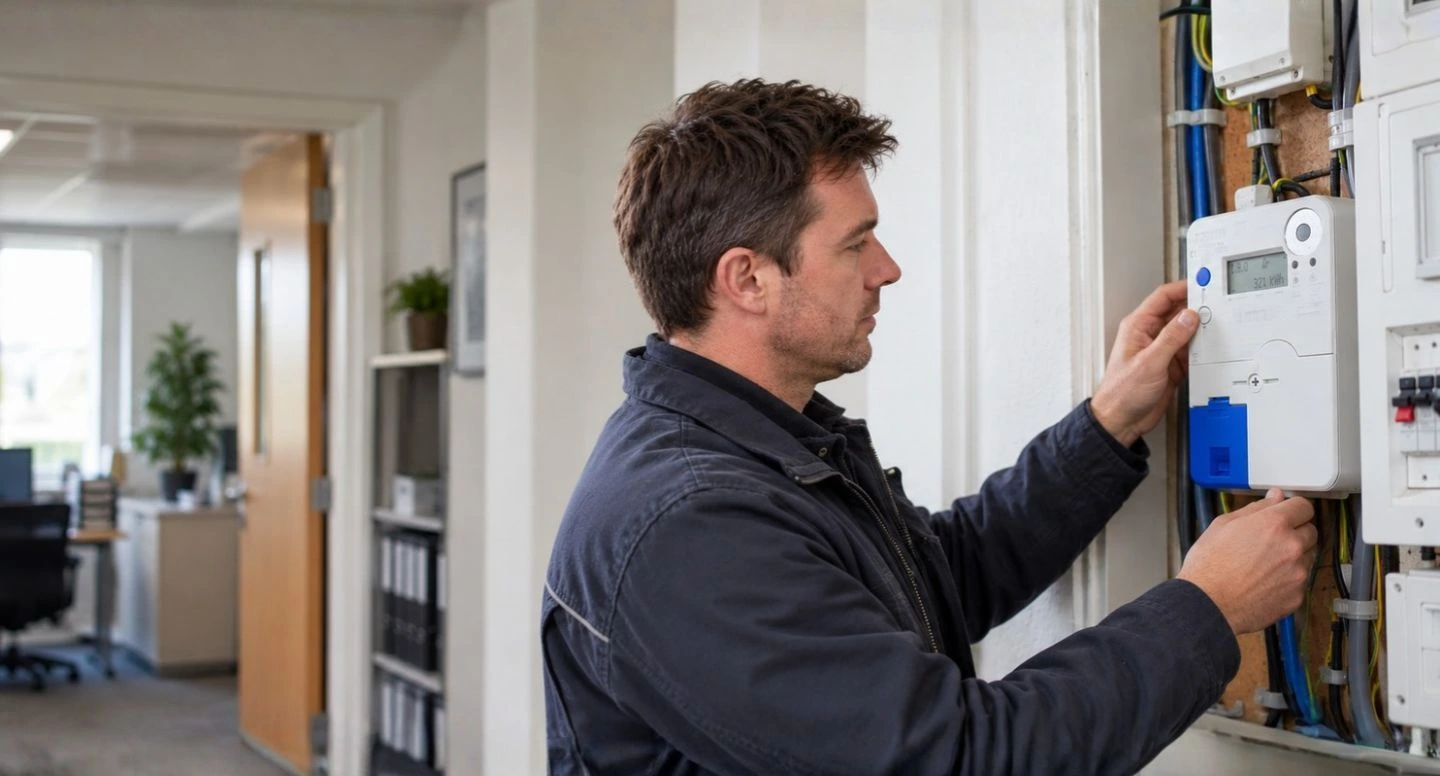
- Smart electricity meters automatically send readings to ESB Networks when connected to the communications network, so manual submissions are generally unnecessary.
- Larger commercial electricity often have automated or remotely read systems that record consumption without requiring manual readings.
Regardless of your meter type, check your bills regularly to confirm whether the consumption billed is based on actual or estimated readings. If you notice repeated estimates or unusual consumption figures, contact your supplier and submit a meter reading.
How Can I Submit an Electricity or Gas Meter Reading?
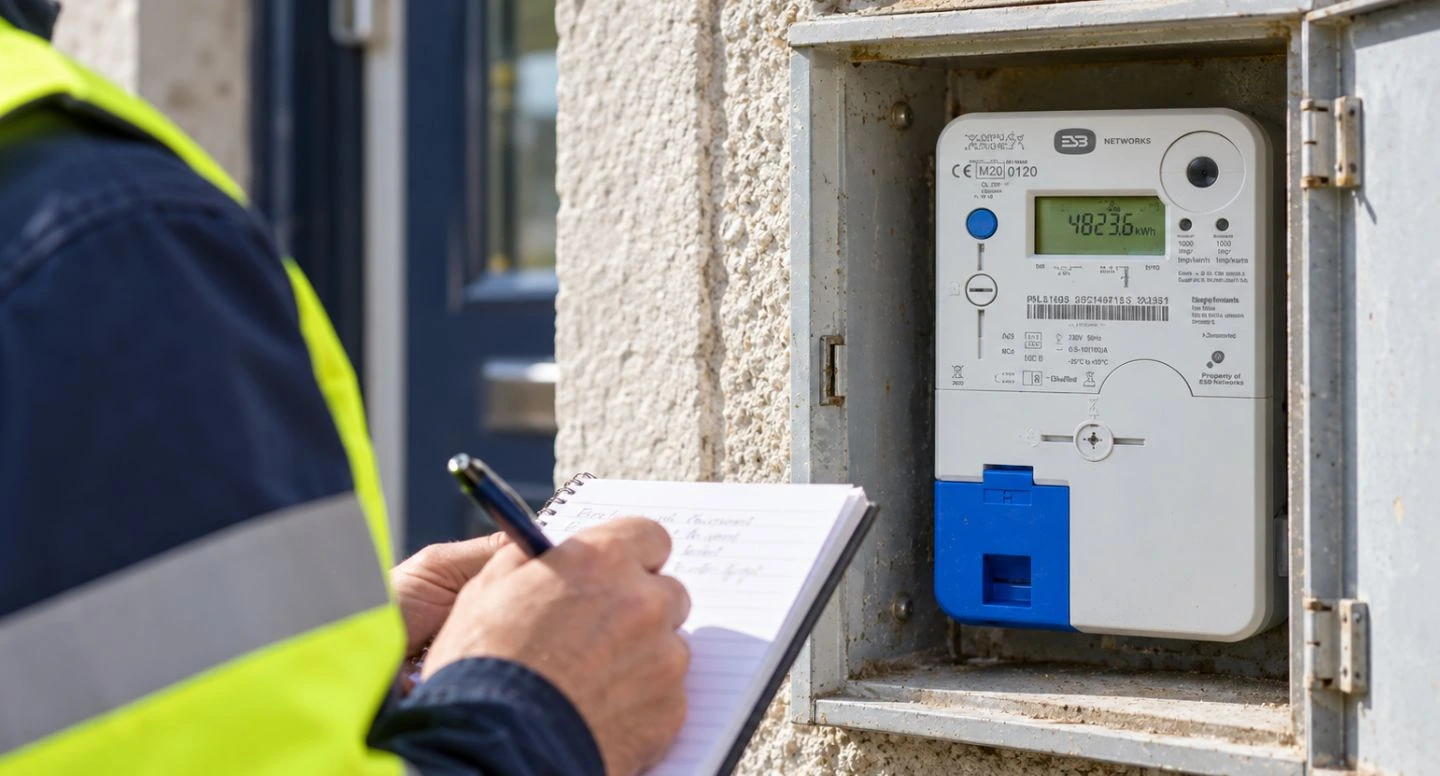
Businesses with manually read electricity or gas meters can submit readings directly to their energy supplier or the relevant network operator. Before submitting a reading, check your meter type and follow these steps:
- Identify the correct meter: Check the meter serial number if your premises has multiple electricity or gas meters.
- Record the reading: Read the numbers from left to right, following the instructions for your meter type. Generally, digits after a decimal point are excluded.
- Check for multiple meters: Some electricity meters have separate day, night and sometimes more than one meter. Record each reading where required.
- Have your meter reference ready: You'll need your MPRN for electricity or GPRN for gas. Both are printed on your energy bills.
You can submit your readings using the following services:
| Network Operator | Submit Online | Telephone |
|---|---|---|
| ESB Networks – Electricity | Submit Electricity Reading | 1800 337 777 |
| Gas Networks Ireland – Gas | Submit Gas Reading | 1800 427 732 |
Important: Smart meters and many larger commercial meters transmit readings automatically. Some Maximum Demand electricity meters require specialist reading arrangements and should not be read using standard manual instructions.
For more detailed guidance on different electricity meter types, read our How to Read Electricity Meters article.
How Can Utilityfair Help You Reduce Business Energy Bills?
Accurate meter readings help you understand how much electricity and gas your business uses. The next step is making sure you're paying the most competitive rates for that energy.
Utilityfair compares electricity and gas prices from every Irish supplier, using your meter details and annual consumption to calculate the full cost of each available offer. We provide a free, side-by-side comparison showing supplier rates, estimated annual costs and potential savings.
With over 20,000 active business customers, €103.5 million saved in the past 12 months and an Excellent 5.0 Trustpilot rating, Utilityfair is Ireland's largest and most reviewed commercial energy broker.
👉 Are you paying too much for business electricity or gas?
Upload a recent energy bill using the buttons below and we'll compare your current rates against live prices from every Irish supplier. You'll receive a free, personalised comparison showing your potential annual savings.




Frequently Asked Questions (FAQs)
Check the meter-reading section of your electricity or gas bill. Suppliers generally identify readings using codes such as A (Actual), C (Customer Reading) or E (Estimated).
If your bill shows an estimated reading, compare it against your current meter reading. If there is a significant difference, submit an accurate reading to your supplier or network operator, where appropriate.
If your estimated reading is higher than your actual consumption, you may have paid for electricity or gas you haven't yet used. Once an accurate reading is received, your supplier should reconcile your account and adjust the charges accordingly.
Depending on your account balance and billing arrangements, this may result in a credit on your next bill or a refund.
If estimated readings are lower than your actual consumption, your supplier will normally issue an adjustment when an accurate reading becomes available. This can result in a substantial catch-up bill, particularly if estimates have been used for several months.
If you receive an unexpectedly large bill, check the meter readings and billing period. Contact your supplier if you believe the adjustment is incorrect or need to discuss payment arrangements.
Generally, no. Smart electricity meters automatically transmit consumption data to ESB Networks when connected to the communications network.
However, communications problems can result in estimated readings. Check your bills regularly and contact your supplier if you notice repeated estimates.
Yes. If your bill was based on an estimated reading, you can generally submit an updated reading for an eligible manually read meter.
Your supplier can use the new information to reconcile your account. Depending on its billing procedures, the correction may appear on your next bill or require an adjustment to the existing bill.
First, check that you're reading the correct meter and register. Compare the current reading against your previous bill, allowing for any consumption since the last reading.
If the figures still appear incorrect, contact your supplier or the relevant network operator. They can investigate the discrepancy and advise whether a meter inspection or accuracy test is required.
Yes, incorrect data can cause disputes and delay switching suppliers.
It won’t reduce usage, but it ensures you’re charged accurately.